
Free Body Recomposition Calculator | HYROXS
calculator 28 yrs 14 yrs90 yrs 170 cm 100 cm250 cm 75 kg 30 kg200 kg 38 cm 20 cm60 cm 85 cm 50 cm180 cm 95 cm 50 cm180 cm 12% 3%40%
Body fat
17.8%U.S. Navy method estimate
13.4 kg Fat mass 61.6 kg Lean mass 20.1 FFMI 4.3 kg Fat to lose for goal FitnessSee beyond the scale
Body fat percentage tells you more than weight alone. Track it over time alongside FFMI and lean mass to see true body composition changes as you recomp.
:root { --hx-bg-dark: #000000; /* Page background - Black */ --hx-card-bg: #111111; /* Card background - Dark Black */ --hx-card-border: #FFD400; /* Yellow border */ --hx-accent: #FFD400; /* Primary Yellow */ --hx-accent-light: #FFE44D; /* Light Yellow */ --hx-text-primary: #FFFFFF; /* White text */ --hx-text-secondary: #D6D6D6; /* Light Gray text */ --hx-radius: 14px; } .hx-calc-hub { background: var(--hx-bg-dark); padding: 64px 20px; font-family: 'Inter', 'Helvetica Neue', Arial, sans-serif; } .hx-calc-hub__inner { max-width: 1160px; margin: 0 auto; } .hx-calc-hub__eyebrow { display: block; text-align: center; color: var(--hx-accent); font-size: 13px; font-weight: 700; letter-spacing: 1.5px; text-transform: uppercase; margin-bottom: 12px; } .hx-calc-hub__title { text-align: center; color: var(--hx-text-primary); font-size: clamp(28px, 4vw, 40px); font-weight: 800; line-height: 1.15; margin: 0 0 14px; } .hx-calc-hub__subtitle { text-align: center; color: var(--hx-text-secondary); font-size: 16px; max-width: 620px; margin: 0 auto 48px; line-height: 1.6; } .hx-calc-grid { display: grid; grid-template-columns: repeat(4, 1fr); gap: 20px; } @media (max-width: 900px) { .hx-calc-grid { grid-template-columns: repeat(2, 1fr); } } @media (max-width: 540px) { .hx-calc-grid { grid-template-columns: 1fr; } } .hx-calc-card { display: flex; flex-direction: column; background: var(--hx-card-bg); border: 1px solid var(--hx-card-border); border-radius: var(--hx-radius); padding: 28px 22px; text-decoration: none; transition: transform 0.2s ease, border-color 0.2s ease, background 0.2s ease; } .hx-calc-card:hover { transform: translateY(-4px); border-color: var(--hx-accent); background: #000000; } .hx-calc-card__icon { width: 46px; height: 46px; border-radius: 10px; background: rgba(255, 90, 31, 0.12); display: flex; align-items: center; justify-content: center; margin-bottom: 18px; } .hx-calc-card__icon svg { width: 22px; height: 22px; stroke: var(--hx-accent); } .hx-calc-card__title { color: var(--hx-text-primary); font-size: 17px; font-weight: 700; margin: 0 0 8px; line-height: 1.3; } .hx-calc-card__desc { color: var(--hx-text-secondary); font-size: 13.5px; line-height: 1.55; margin: 0 0 20px; flex-grow: 1; } .hx-calc-card__cta { display: inline-flex; align-items: center; gap: 6px; color: var(--hx-accent-light); font-size: 13px; font-weight: 700; text-transform: uppercase; letter-spacing: 0.5px; } .hx-calc-card__cta svg { width: 14px; height: 14px; stroke: var(--hx-accent-light); transition: transform 0.2s ease; } .hx-calc-card:hover .hx-calc-card__cta svg { transform: translateX(4px); }Check for other Fitness calculators
Every metric you need to understand your body composition, energy needs, and true fitness potential — free, science-backed, and built for HYROX athletes.
Body Fat Percentage Calculator
Estimate your body fat using the U.S. Navy circumference method.
Calculate nowBMI Calculator
Check your body mass index and see where you fall on the standard scale.
Calculate nowBMR Calculator
Find your basal metabolic rate — the calories your body burns at rest.
Calculate nowCalorie Calculator
Get your daily calorie needs for maintenance, fat loss, or muscle gain.
Calculate nowLean Body Mass Calculator
Find out how much of your weight is muscle, bone, and organ mass.
Calculate nowFFMI Calculator
Check your fat-free mass index and see your natural muscle potential.
Calculate nowIdeal Weight Calculator
Get your ideal weight range based on height, gender, and frame.
Calculate now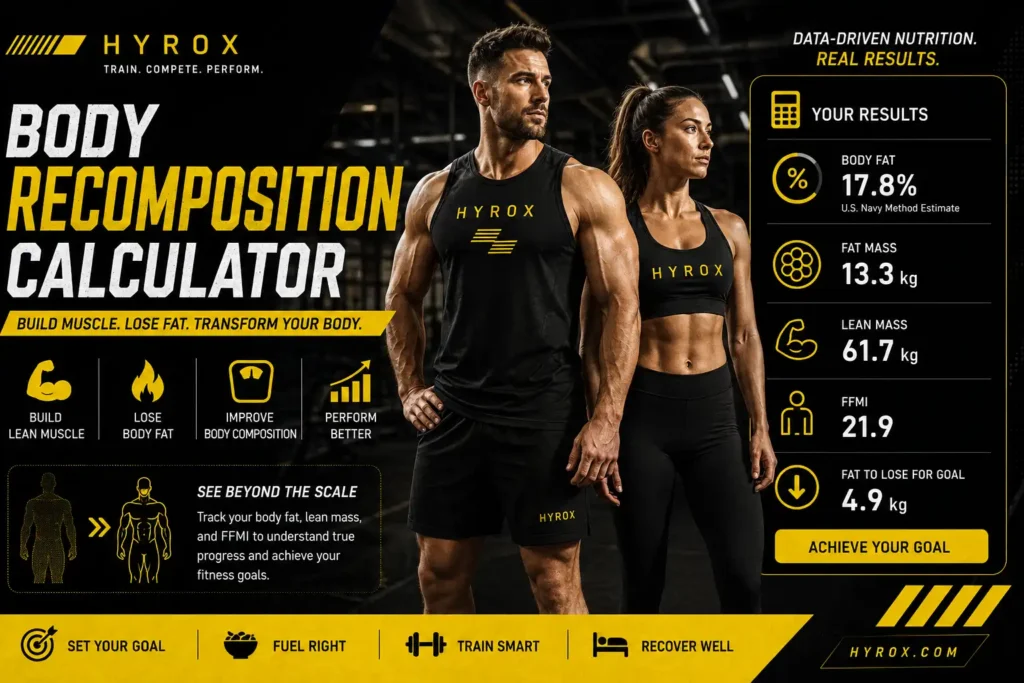 BODY Recomposition CALCULATOR
How does a body recomposition calculator work?
A Body Recomposition Calculator works by combining several of your personal stats — gender, age, height, weight, and body circumference measurements like neck, waist, and hip — to estimate your current body fat percentage, lean mass, and fat mass using the U.S. Navy method. Once it has your body composition breakdown, the Body Recomposition Calculator calculates your Total Daily Energy Expenditure (TDEE) and uses that number to recommend a calorie target, either at maintenance or a small deficit, along with a daily protein goal. You then enter a goal body fat percentage, and the calculator shows how much fat you need to lose to reach it while preserving lean muscle. In short, a Body Recomposition Calculator turns raw measurements into a practical, personalized starting point for a nutrition and training plan built around losing fat and building muscle at the same time.
Unlike traditional bulking or cutting, body recomposition focuses on improving your body composition by reducing body fat while increasing or preserving lean muscle mass at the same time. This approach helps you develop a stronger, leaner, and healthier physique without relying on extreme calorie surpluses or aggressive dieting.
Whether you're a beginner starting your fitness journey, returning after a break, or looking to improve your overall physique, this calculator provides a practical starting point for creating a sustainable nutrition and training plan.
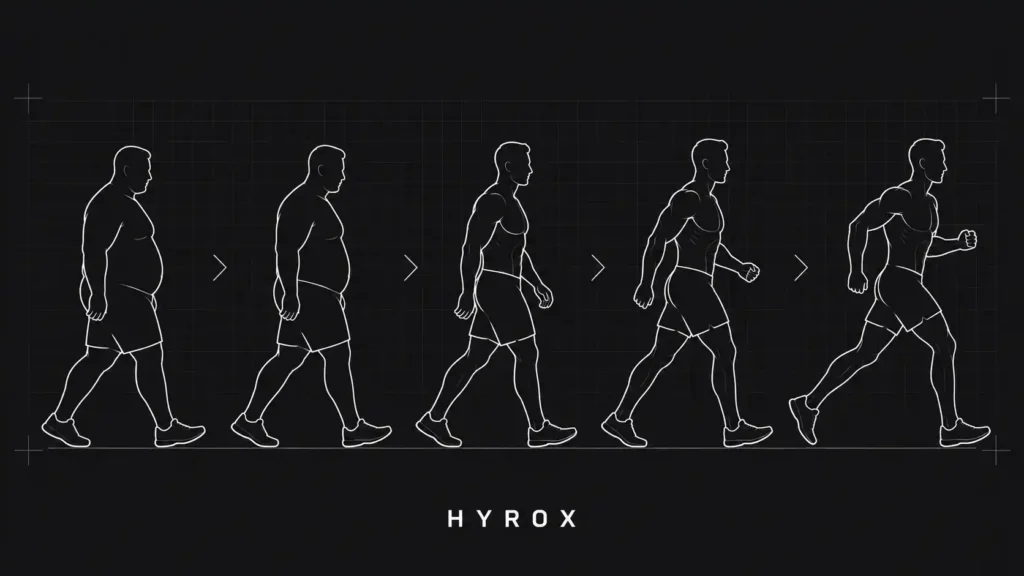
What is the ideal calorie intake for body recomposition?
Most people get the best results from a Body Recomposition Calculator when calories are set at maintenance or in a small deficit of roughly 200–300 calories below their TDEE. This range is intentional and deficit large enough to encourage the body to draw on stored fat for energy, but small enough that training performance, recovery, and muscle growth aren't compromised. A Body Recomposition Calculator uses your TDEE, activity level, and goals to land on this number automatically, so you're not guessing. Alongside total calories, protein intake matters just as much: 1.6–2.2 grams per kilogram of body weight per day is the range most calculators recommend, since adequate protein is what allows muscle to be preserved or built even while you're in a calorie deficit. Eating too far below this calorie range slows recovery and increases the risk of losing muscle instead of fat.
How accurate are body recomposition calculators?
A Body Recomposition Calculator is an estimation tool, not a lab-grade measurement device, so its accuracy depends heavily on the inputs you provide. Because most calculators - including circumference-based ones using the U.S. Navy method - rely on measurements like neck, waist, and hip, small errors in how or where you measure can shift the results by a few percentage points. That said, a well-built Body Recomposition Calculator is typically accurate within about 3–4% of more precise methods like DEXA scans or hydrostatic weighing, which makes it more than reliable enough for tracking trends over time. The real value of a Body Recomposition Calculator isn't a single perfect number - it's using consistent measurements, taken the same way each time, to see whether your body fat, lean mass, and calorie needs are moving in the right direction as you train.
Unlike traditional bulking or cutting, body recomposition focuses on improving your body composition by reducing body fat while increasing or preserving lean muscle mass at the same time. This approach helps you develop a stronger, leaner, and healthier physique without relying on extreme calorie surpluses or aggressive dieting.
Whether you're a beginner starting your fitness journey, returning after a break, or looking to improve your overall physique, this calculator provides a practical starting point for creating a sustainable nutrition and training plan
What factors are considered in a body recomposition calculator?
A Body Recomposition Calculator typically factors in gender, age, height, and current body weight, since these directly affect metabolic rate and how body fat is distributed. From there, it uses circumference measurements — neck, waist, and for women, hip — to estimate body fat percentage, fat mass, and lean mass. A more complete Body Recomposition Calculator also considers your goal body fat percentage, which it uses to calculate exactly how much fat needs to be lost to reach that target while lean mass is maintained. Activity level and training frequency are factored into the TDEE calculation, which determines your recommended daily calories. Some versions of a Body Recomposition Calculator also include FFMI (Fat-Free Mass Index) as an output, giving you a sense of how much natural muscle-building potential you may still have relative to your current lean mass.
What are the different types of body recomposition calculators?
There are a few common types of Body Recomposition Calculator tools, and they mainly differ in how they estimate body fat. Circumference-based calculators, like the HYROXS tool, use the U.S. Navy method — measuring neck, waist, and hip — to estimate body fat percentage without any special equipment, making this the most accessible type of Body Recomposition Calculator for home use. Skinfold-based calculators use caliper measurements at multiple sites on the body and can be more precise, but they require training to use correctly. Bioelectrical impedance calculators, often built into smart scales, estimate body fat by sending a low-level electrical current through the body. Finally, some advanced tools combine a Body Recomposition Calculator with TDEE and macro calculators in one interface, giving you body composition, calorie needs, and protein targets in a single result instead of using separate tools for each.
Body Recomposition Calculator: Build Muscle While Losing Fat
Want to build lean muscle without adding unnecessary body fat? Or lose stubborn fat while maintaining your hard-earned muscle? The HYROXS Body Recomposition Calculator helps you estimate the calories, protein intake, and nutrition strategy needed to support body recomposition based on your personal information and fitness goals.
Unlike traditional bulking or cutting, body recomposition focuses on improving your body composition by reducing body fat while increasing or preserving lean muscle mass at the same time. This approach helps you develop a stronger, leaner, and healthier physique without relying on extreme calorie surpluses or aggressive dieting.
Whether you're a beginner starting your fitness journey, returning after a break, or looking to improve your overall physique, this calculator provides a practical starting point for creating a sustainable nutrition and training plan.
BODY Recomposition CALCULATORUnderstanding Body Recomposition
Body Recomposition Calculator: Body recomposition is a fitness strategy focused on changing the ratio of fat mass to lean muscle mass rather than simply reducing body weight. Instead of aiming to lose as many kilograms as possible, the goal is to improve the quality of your body composition by decreasing body fat while increasing or maintaining muscle.
One of the biggest misconceptions in fitness is that weight loss automatically means becoming healthier or leaner. In reality, losing weight without proper resistance training and adequate protein can result in muscle loss along with fat loss. Body recomposition takes a different approach by prioritizing muscle preservation while gradually reducing body fat.
For many people, this means the number on the scale may not change dramatically. As fat is lost and muscle is gained, body weight can remain relatively stable while your physique becomes noticeably leaner, stronger, and more defined. Clothes may fit better, strength levels increase, and body measurements improve even when the scale changes very little.
Body recomposition is particularly effective because it focuses on long-term body composition rather than short-term weight fluctuations. Instead of chasing rapid weight loss, it encourages sustainable habits that improve overall health, physical performance, and confidence.
BODY Recomposition CALCULATORThe Science Behind Body Recomposition
Body recomposition is possible because your body is capable of using stored body fat as an energy source while simultaneously repairing and building muscle tissue. This process depends on creating the right balance between nutrition, resistance training, and recovery.
When you perform strength training, tiny tears occur within your muscle fibers. During recovery, your body repairs these fibers, making them stronger and larger through a process known as muscle protein synthesis. To support this process, your body requires sufficient dietary protein and enough overall energy.
At the same time, maintaining a small calorie deficit or eating close to maintenance encourages your body to use stored fat to meet its energy demands. This allows fat loss to occur while muscle growth continues, provided training intensity and protein intake remain high.
This process is most effective for beginners, individuals returning to training after a long break, and people carrying higher levels of body fat. Advanced lifters can also achieve body recomposition, although progress tends to occur more slowly because they are already closer to their genetic potential.
Unlike extreme bulking or cutting cycles, body recomposition promotes gradual improvements that are easier to maintain over time and place less stress on the body.
How Body Recomposition Works
Achieving successful body recomposition isn't about following extreme diets or spending endless hours in the gym. Instead, the HYROXS Body Recomposition Calculator is designed to help you understand the key factors that influence fat loss and muscle growth. Whether you're using a Body Recomposition Calculator to estimate your calorie and protein needs or planning your training program, four essential principles form the foundation of long-term success.
By combining proper strength training, balanced nutrition, smart calorie management, and adequate recovery, you can gradually reduce body fat while building or maintaining lean muscle mass.
1. Progressive Strength Training
Resistance training is the most important stimulus for building and maintaining muscle during body recomposition. Exercises such as squats, deadlifts, bench presses, overhead presses, lunges, pull-ups, and rows challenge your muscles, encouraging them to adapt and become stronger over time.
The secret to consistent progress is progressive overload. This means gradually increasing the weight you lift, the number of repetitions you perform, or your overall training volume as your strength improves. Without progressive overload, your muscles receive little incentive to grow, making body recomposition much more difficult.
For the best results, train each major muscle group at least two to three times per week, while allowing enough recovery between sessions. When combined with the recommendations provided by a Body Recomposition Calculator, progressive strength training creates the ideal environment for preserving lean muscle while reducing body fat.
2. Consume Enough High-Quality Protein
Protein is the building block of muscle tissue and plays a vital role in any successful body recomposition plan. During resistance training, tiny tears occur within your muscle fibers. Protein supplies the amino acids your body needs to repair these fibers, helping them become stronger and larger during recovery.
Eating sufficient protein also helps preserve lean muscle while your body burns stored fat for energy. For most active adults, consuming 1.6–2.2 grams of protein per kilogram of body weight each day is recommended to support body recomposition.
Excellent protein sources include lean meats, poultry, fish, eggs, dairy products, Greek yogurt, tofu, legumes, beans, and quality protein supplements when needed. Pairing a high-protein diet with the calorie recommendations from a Body Recomposition Calculator can help maximize muscle retention while promoting sustainable fat loss.
3. Practice Smart Calorie Management
Unlike traditional bulking, which requires a large calorie surplus, or aggressive cutting, which often involves severe calorie restriction, body recomposition focuses on finding the right calorie balance.
Most people achieve the best results by eating close to their maintenance calories or maintaining a small calorie deficit while prioritizing nutrient-dense foods. This approach provides enough energy to fuel workouts, support muscle recovery, and encourage the body to use stored fat as an energy source.
A Body Recomposition Calculator helps estimate your daily calorie requirements based on your body composition and fitness goals, making it easier to create a sustainable nutrition plan. Rather than chasing rapid weight loss, focus on gradual improvements that preserve muscle and promote long-term health.
4. Prioritize Recovery and Quality Sleep
Training is only one part of the body recomposition process. Your muscles don't grow while you're exercising—they grow during recovery. Without adequate rest, your body cannot fully repair muscle tissue or adapt to the demands of your workouts.
Aim for 7–9 hours of quality sleep each night to support hormone production, muscle protein synthesis, recovery, and overall performance. Poor sleep can reduce training intensity, increase hunger, elevate stress hormones, and make both muscle growth and fat loss more challenging.
Recovery also includes staying well hydrated, managing daily stress, taking scheduled rest days, and avoiding excessive training volume. When combined with proper nutrition and guidance from a Body Recomposition Calculator, these habits create the optimal conditions for improving body composition and achieving lasting fitness results.
Build Your Body the Smart Way
The most effective body recomposition plans are built on consistency rather than quick fixes. By following these four core principles—progressive strength training, adequate protein intake, smart calorie management, and proper recovery—you can steadily lose body fat while building or preserving lean muscle.
Use the HYROXS Body Recomposition Calculator to estimate your calorie and protein needs, track your progress over time, and create a personalized strategy that supports your long-term health, performance, and physique goals.
BODY Recomposition CALCULATORWho Should Follow a Body Recomposition Plan?
Body recomposition isn't the ideal strategy for everyone, but it's highly effective for many people looking to improve their physique without following extreme bulking or cutting phases. Your training experience, current body fat percentage, and fitness goals all influence how successful your body recomposition journey will be.
https://youtu.be/M4K0s792wAU?si=DlKaJLqSdaC_gB6t BODY Recomposition CALCULATOR| Fitness Level | Is Body Recomposition Recommended? | Expected Results |
|---|---|---|
| Beginners | ⭐⭐⭐⭐⭐ Excellent | Fast muscle gain with steady fat loss |
| Returning After a Break | ⭐⭐⭐⭐⭐ Excellent | Muscle memory accelerates progress |
| Overweight Individuals | ⭐⭐⭐⭐⭐ Excellent | Lose fat while preserving muscle |
| Intermediate Lifters | ⭐⭐⭐⭐ Good | Gradual body composition improvements |
| Advanced Lifters | ⭐⭐⭐ Moderate | Slower progress, requires greater precision |
| Competitive Bodybuilders | ⭐⭐ Limited | Bulking and cutting cycles are usually more effective |
Beginners often achieve the fastest results with a Body Recomposition Calculator because their bodies respond quickly to resistance training, a phenomenon commonly known as "newbie gains." During the first several months of consistent strength training, the body becomes highly efficient at building lean muscle while simultaneously using stored body fat for energy. When paired with a balanced diet, adequate protein intake, and guidance from a Body Recomposition Calculator, beginners can often notice improvements in strength, muscle definition, and body composition within a relatively short period.
Individuals with higher body fat percentages may also experience faster progress during body recomposition. Since they have greater stored energy reserves, their bodies can use fat as fuel while supporting muscle growth and recovery. By following the calorie and nutrition recommendations provided by a Body Recomposition Calculator, many people can gradually lose body fat without sacrificing lean muscle mass, making body recomposition an effective alternative to traditional bulking and cutting cycles.
Advanced athletes can still benefit from using a Body Recomposition Calculator, but progress is usually slower and requires greater precision. Because experienced lifters are closer to their genetic potential for muscle growth and often have relatively low body fat levels, building additional muscle while losing fat becomes increasingly challenging. Success at this stage depends on carefully managing calorie intake, protein consumption, training intensity, recovery, and consistency. A Body Recomposition Calculator helps advanced athletes fine-tune these variables, allowing them to make gradual improvements in body composition while maintaining performance and preserving hard-earned muscle.
Nutrition for Body Recomposition
Nutrition is one of the most important factors in achieving successful body recomposition. Your body needs enough nutrients to build muscle while creating the conditions necessary to reduce body fat. Rather than following restrictive diets, the goal is to provide consistent, balanced nutrition that supports training and recovery.
Maintain a Small Calorie Deficit
Unlike traditional cutting programs, body recomposition usually works best with calories at maintenance or in a small deficit of approximately 200–300 calories below your Total Daily Energy Expenditure (TDEE).
A moderate calorie deficit encourages fat loss without significantly reducing training performance or muscle recovery. Extremely low-calorie diets can make it difficult to build muscle and may increase the risk of losing lean body mass.
Prioritize Protein Intake
Protein is essential for muscle repair, recovery, and growth. Consuming enough protein each day also helps preserve lean muscle during periods of fat loss and increases feelings of fullness.
For most people, consuming 1.6–2.2 grams of protein per kilogram of body weight each day provides an excellent foundation for body recomposition.
Good protein sources include:
- Chicken breast
- Turkey
- Fish
- Eggs
- Greek yogurt
- Cottage cheese
- Lean beef
- Lentils
- Tofu
- Whey protein
Distributing protein evenly across multiple meals throughout the day can help maximize muscle protein synthesis.
Don't Fear Carbohydrates
Carbohydrates are your body's preferred source of energy during resistance training. Eating enough carbohydrates helps improve workout performance, replenish muscle glycogen, and support recovery.
Choose mostly complex carbohydrate sources such as:
- Oats
- Brown rice
- Sweet potatoes
- Whole-grain bread
- Fruits
- Vegetables
- Quinoa
Many athletes also benefit from consuming carbohydrates before and after workouts to improve energy levels and recovery.
Include Healthy Fats
Healthy fats support hormone production, brain function, joint health, and the absorption of fat-soluble vitamins.
Aim to include healthy fat sources such as:
- Avocados
- Olive oil
- Nuts
- Seeds
- Salmon
- Peanut butter
Fats should make up approximately 20–35% of your total daily calorie intake for most active individuals.
Training Recommendations for Body Recomposition
While nutrition provides the fuel, resistance training provides the signal for your body to build muscle. Without proper strength training, body recomposition becomes significantly more difficult.
Focus on compound exercises that train multiple muscle groups simultaneously, including:
- Squats
- Deadlifts
- Bench Press
- Overhead Press
- Pull-ups
- Barbell Rows
- Romanian Deadlifts
- Lunges
Aim to train 3–5 days per week, depending on your experience level and recovery capacity.
Each week, try to gradually increase the weight, repetitions, or total training volume. This principle, known as progressive overload, is one of the most important drivers of muscle growth.
Cardio can still be included but should complement strength training rather than replace it. Walking, cycling, swimming, or short HIIT sessions can improve cardiovascular fitness while supporting fat loss.
BODY Recomposition CALCULATORBody Recomposition vs Bulking vs Cutting
Many people wonder whether they should choose body recomposition, a traditional bulk, or a cutting phase. The best approach depends on your current body composition and fitness goals.
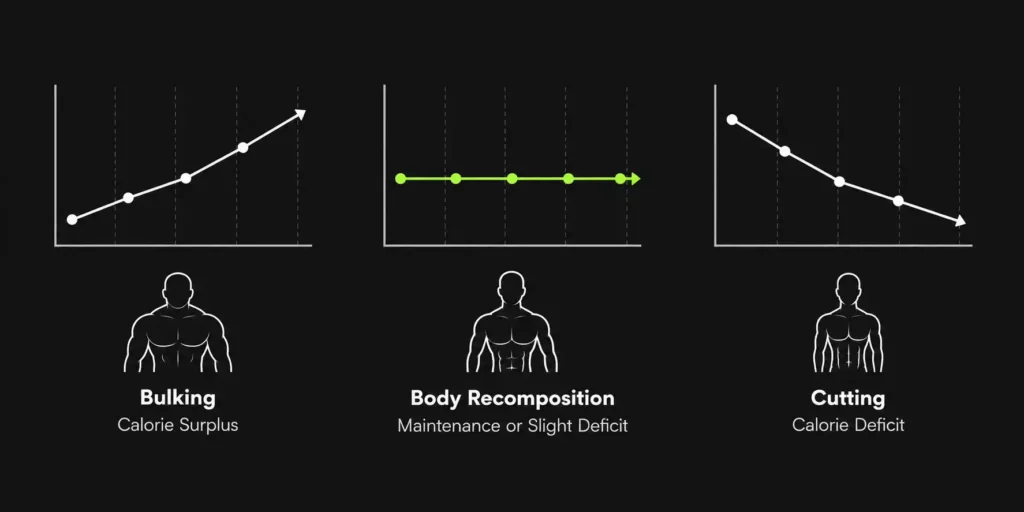
| Approach | Primary Goal | Calories | Best For |
|---|---|---|---|
| Body Recomposition | Build muscle while losing fat | Maintenance or slight deficit | Beginners, overweight individuals, returning lifters |
| Bulking | Maximize muscle growth | Calorie surplus | Lean individuals wanting maximum muscle gain |
| Cutting | Reduce body fat | Calorie deficit | People carrying excess body fat |
| Maintenance | Preserve current physique | Maintenance calories | General health and long-term fitness |
Body recomposition offers a balanced approach that allows many individuals to improve their physique without cycling between periods of excessive weight gain and aggressive dieting.
Frequently asked questions (FAQs)
What is body recomposition?
Body recomposition is the process of losing body fat while building or maintaining lean muscle mass at the same time. Unlike traditional weight loss, body recomposition focuses on improving your overall body composition rather than simply reducing the number on the scale.
Can you build muscle and lose fat at the same time?
Yes. Building muscle and losing fat simultaneously is possible, especially for beginners, people returning to training after a break, and individuals with higher body fat percentages. Consistent strength training, adequate protein intake, and proper calorie management are essential for successful body recomposition.
Who should use a Body Recomposition Calculator?
A Body Recomposition Calculator is ideal for anyone who wants to improve body composition rather than simply lose weight. It’s especially useful for beginners, recreational athletes, individuals returning to exercise, and people aiming to become leaner while preserving muscle.
Is body recomposition better than bulking and cutting?
It depends on your goals. Body recomposition is an excellent option for beginners and those seeking gradual, sustainable improvements. Experienced bodybuilders looking to maximize muscle growth may benefit more from separate bulking and cutting phases.
How many calories should I eat for body recomposition?
Most people achieve the best results by eating at maintenance calories or maintaining a small calorie deficit of approximately 200–300 calories below their Total Daily Energy Expenditure (TDEE). This allows gradual fat loss while supporting muscle growth and recovery.
Body recomposition is the process of losing body fat while building or maintaining lean muscle mass at the same time. Unlike traditional weight loss, body recomposition focuses on improving your overall body composition rather than simply reducing the number on the scale.
Yes. Building muscle and losing fat simultaneously is possible, especially for beginners, people returning to training after a break, and individuals with higher body fat percentages. Consistent strength training, adequate protein intake, and proper calorie management are essential for successful body recomposition.
A Body Recomposition Calculator is ideal for anyone who wants to improve body composition rather than simply lose weight. It's especially useful for beginners, recreational athletes, individuals returning to exercise, and people aiming to become leaner while preserving muscle.
It depends on your goals. Body recomposition is an excellent option for beginners and those seeking gradual, sustainable improvements. Experienced bodybuilders looking to maximize muscle growth may benefit more from separate bulking and cutting phases.
Most people achieve the best results by eating at maintenance calories or maintaining a small calorie deficit of approximately 200–300 calories below their Total Daily Energy Expenditure (TDEE). This allows gradual fat loss while supporting muscle growth and recovery.
How long does body recomposition usually take?
Most people see visible changes in body composition within 8–12 weeks, though this depends heavily on starting body fat percentage, training experience, and consistency. Beginners and people carrying more body fat tend to recomp faster since they can build muscle and lose fat at the same time more easily. More advanced lifters closer to their genetic potential often need 4–6 months or longer to see a meaningful shift in body fat and lean mass. Running your numbers through a Body Recomposition Calculator every 4–6 weeks is the best way to confirm progress is actually happening, since visible changes can lag behind what’s happening with your body fat percentage and lean mass.
How do I calculate my body recomposition?
The simplest way is to track two numbers over time: your body fat percentage and your lean body mass, using either a circumference-based method (like the U.S. Navy formula), a skinfold caliper, or a smart scale. A Body Recomposition Calculator does this automatically — you enter your measurements once to get a baseline, then re-measure every few weeks using the same method and conditions (same time of day, similar hydration) so the numbers are comparable. If your lean mass is holding steady or increasing while your body fat percentage drops, your recomposition is working, even if the scale weight barely moves.
Can you look muscular at 20% body fat?
Yes, to a degree — it depends far more on muscle mass and where you naturally carry fat than on the percentage alone. Someone with a larger frame and significant muscle mass can still look fairly defined at 20% body fat, especially in the upper body, while someone with less muscle at the same body fat percentage will look softer overall. That said, most visible ab definition and the “shredded” look people associate with muscularity typically starts to show up in the 12–15% range for men and 18–22% for women. A Body Recomposition Calculator can help you see whether the muscle is already there and just needs the fat percentage to come down, or whether more muscle needs to be built first.
What should macros be for body recomp?
A common starting point is 1.6–2.2 grams of protein per kilogram of body weight per day to preserve and build muscle, with fats set around 0.6–1g per kilogram to support hormone production, and the remaining calories filled in with carbohydrates. Total calories are usually set at maintenance or a small deficit of 200–300 calories, since a large deficit makes it harder to build or even preserve muscle. Protein is the macro that matters most for recomposition specifically — it’s what allows your body to hold onto lean mass while in a calorie deficit. A Body Recomposition Calculator that outputs a daily protein target alongside your calories takes the guesswork out of this step.
What kills muscle gains the most?
The biggest muscle-gain killers are insufficient protein intake, a calorie deficit that’s too aggressive, and inadequate training stimulus — meaning not enough resistance training volume or intensity to signal your body to keep or build muscle. Poor sleep and chronic under-recovery are close behind, since most muscle repair and growth happens during rest, not during the workout itself. Cutting calories too fast in an attempt to speed up fat loss is one of the most common recomposition mistakes, since it often costs more muscle than it saves in time. Keeping your deficit moderate and your protein and training consistent is what protects the muscle you’re working to build.
Most people see visible changes in body composition within 8–12 weeks, though this depends heavily on starting body fat percentage, training experience, and consistency. Beginners and people carrying more body fat tend to recomp faster since they can build muscle and lose fat at the same time more easily. More advanced lifters closer to their genetic potential often need 4–6 months or longer to see a meaningful shift in body fat and lean mass. Running your numbers through a Body Recomposition Calculator every 4–6 weeks is the best way to confirm progress is actually happening, since visible changes can lag behind what's happening with your body fat percentage and lean mass.
The simplest way is to track two numbers over time: your body fat percentage and your lean body mass, using either a circumference-based method (like the U.S. Navy formula), a skinfold caliper, or a smart scale. A Body Recomposition Calculator does this automatically — you enter your measurements once to get a baseline, then re-measure every few weeks using the same method and conditions (same time of day, similar hydration) so the numbers are comparable. If your lean mass is holding steady or increasing while your body fat percentage drops, your recomposition is working, even if the scale weight barely moves.
Yes, to a degree — it depends far more on muscle mass and where you naturally carry fat than on the percentage alone. Someone with a larger frame and significant muscle mass can still look fairly defined at 20% body fat, especially in the upper body, while someone with less muscle at the same body fat percentage will look softer overall. That said, most visible ab definition and the "shredded" look people associate with muscularity typically starts to show up in the 12–15% range for men and 18–22% for women. A Body Recomposition Calculator can help you see whether the muscle is already there and just needs the fat percentage to come down, or whether more muscle needs to be built first.
A common starting point is 1.6–2.2 grams of protein per kilogram of body weight per day to preserve and build muscle, with fats set around 0.6–1g per kilogram to support hormone production, and the remaining calories filled in with carbohydrates. Total calories are usually set at maintenance or a small deficit of 200–300 calories, since a large deficit makes it harder to build or even preserve muscle. Protein is the macro that matters most for recomposition specifically — it's what allows your body to hold onto lean mass while in a calorie deficit. A Body Recomposition Calculator that outputs a daily protein target alongside your calories takes the guesswork out of this step.
The biggest muscle-gain killers are insufficient protein intake, a calorie deficit that's too aggressive, and inadequate training stimulus — meaning not enough resistance training volume or intensity to signal your body to keep or build muscle. Poor sleep and chronic under-recovery are close behind, since most muscle repair and growth happens during rest, not during the workout itself. Cutting calories too fast in an attempt to speed up fat loss is one of the most common recomposition mistakes, since it often costs more muscle than it saves in time. Keeping your deficit moderate and your protein and training consistent is what protects the muscle you're working to build.
BODY Recomposition CALCULATOR